Introduction
R eading the Bible in church or at home is one experience, but imagine standing at Shiloh, where the Tabernacle once stood and where Hannah offered the first individual prayer in the Bible. Picture yourself in the Garden of Gethsemane, surrounded by ancient olive trees, reflecting on the Gospel accounts of Jesus’s prayerful agony before His arrest. Envision touching the Western Wall, the very stones that have witnessed countless prayers for millennia, while reading the Psalms that echo cries of faith and hope. This book invites you to experience these connections—not just through imagination, but by engaging directly with the Scriptures tied to these sacred places. Whether you’re planning a pilgrimage or exploring from afar, this book bridges the gap between the words of the Bible and the world of the Bible. It invites you to experience the Land of Israel in a way that deepens your faith and understanding of Scripture. In June 1867, as the United States emerged from the bloody Civil War, a famous Brooklyn pastor, Henry Ward Beecher, saw an opportunity to organize a cruise to Europe and the Land of Israel. Thus, the USS Quaker City set sail on a journey to the easternmost reaches of the Mediterranean. Among the passengers was Samuel Clemens, better known by his pen name, Mark Twain. He spent the next five months aboard the steamboat on an excursion that would take him through the grand capitals of Europe and the Near East, eventually arriving in what was then known as Ottoman Palestine. Commissioned to report on the voyage—the first pleasure cruise ever—for the Daily Alta California newspaper, Twain’s travel letters became incredibly successful, exceeding his wildest imagination. Upon his return, they were compiled into the book The Innocents Abroad, which became an instant success and propelled him to fame. Twain stopped in Marseille before taking a train to Paris, where he was astounded by the culture and innovation on display at the 1867 Paris Exhibition. He visited the Papal States and explored the ancient hills of Rome. He dropped anchor in Constantinople, instantly taken by the exotic wonders of the Sublime Porte. Then he arrived in Jerusalem.
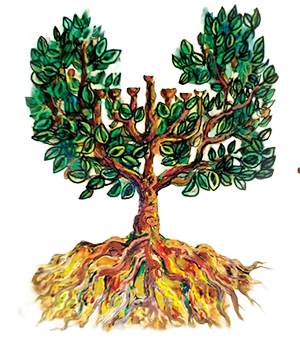
Twain’s journey spanned the Golan Heights, traversed Judea and Samaria, explored Jerusalem, and concluded in Jaffa. I guide my guests along these same paths, where the echoes of ancient sounds still resonate. It’s a timeless connection, as if the hills and plains whisper stories from the past. Inspired by Mark Twain’s journey through the Land of Israel, I retrace his steps while offering a richer, more spiritually fulfilling perspective and visiting sites he missed. Twain’s travelogue, The Innocents Abroad, captured the wonder and satire of his time, but as an Israeli tour guide, I aim to bring the Bible to life for modern readers by pairing Scripture with the places where those events unfolded. My mission is to connect you to the Land of Israel by weaving history, faith, and culture into a narrative that resonates deeply. As a sabra, an Israeli born in this land, Israel is at the heart of my existence, where I have raised my family, fulfilling Ezekiel’s prophecy: “I will put my spirit in you, and you shall live, and I will place you in your own land” (Ezekiel 37:14). This book also explores the meeting place where sabras and pilgrims come together in the Land of Israel. Jews and Christians share deep roots in this land, and our bond has endured for nearly two millennia. As part of the Judeo-Christian heritage, I see myself as a root that sustains the branches. Without the branches, the tree cannot flourish; without the roots, the branches cannot survive. By retracing Mark Twain’s itinerary and expanding upon it, I aim to bring the world of the Bible to life. Since most Christians cannot read Hebrew, this book reveals the hidden meanings of the names of places and people in Scripture, helping readers to better understand the Bible and deepen their faith in God. This work is more than just a guidebook for tourists; it serves as a spiritual companion for pilgrims. Although I am an Israeli Jew, I have created this book with Christian readers in mind, offering insights into the social, religious, and historical context of Jesus’s time during the first century CE, at the end of the Second Temple period. Once, while leading a group of pilgrims, a young pastor encouraged me to view the Land of Israel as the “Fifth Gospel.” Initially, I was skeptical, but as I reflected on his words, they began to resonate with me. He explained that while you can read the four Gospels—Matthew, Mark, Luke, and John—you can only experience the fifth one, and that is only in Israel. Through these pages, I hope you not only visit the biblical sites but also deepen your spiritual connection to the rich heritage of the Land of Israel. May these pages guide you through this remarkable land.